
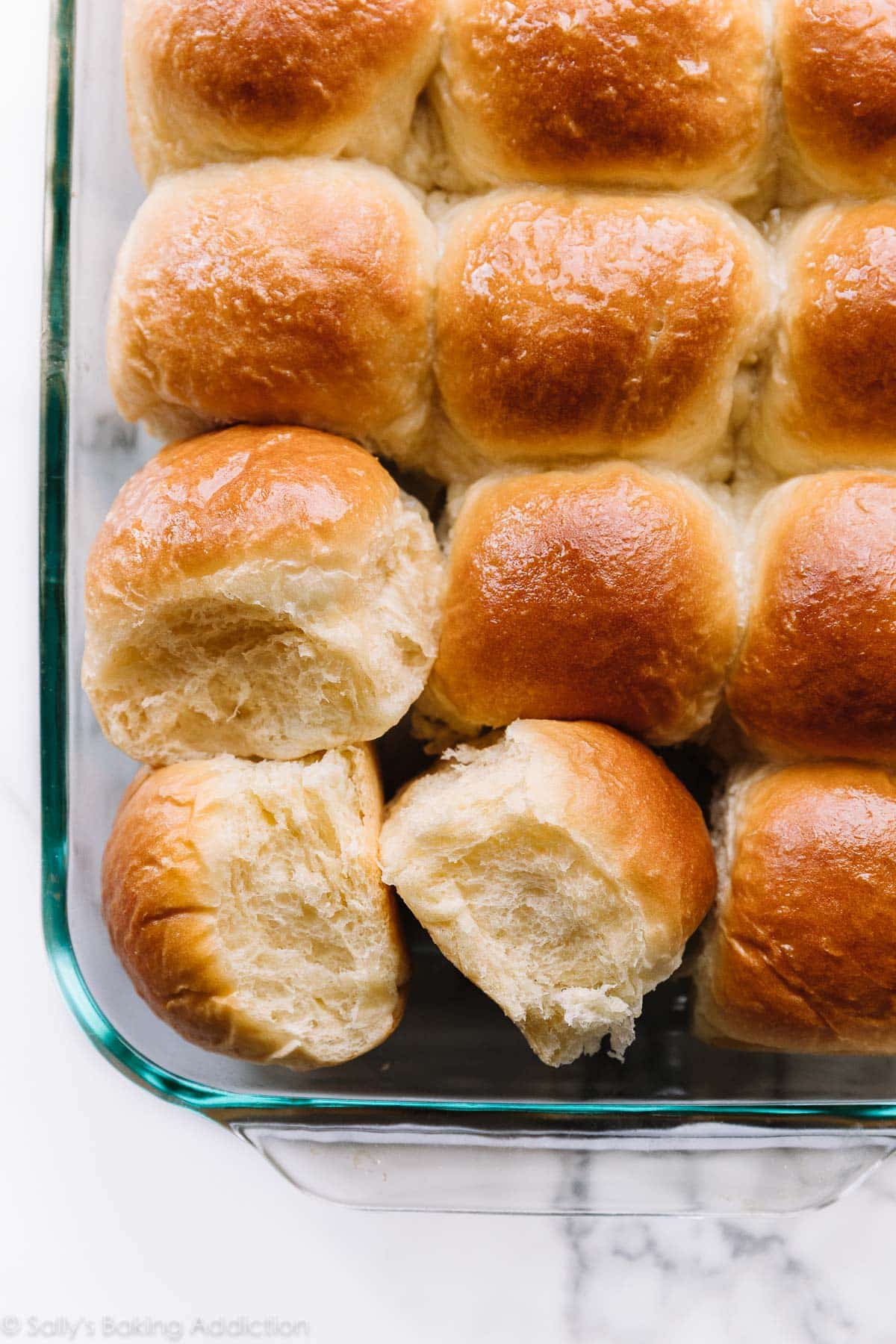
You only need 7 ingredients to make these dinner rolls. Flaky, soft, and buttery, these fresh dinner rolls outshine any main dish. If you’re a bread beginner, read this blog post to learn more about the yeast rolls recipe, including how to prep the rolls ahead of time. You can also reference my Baking with Yeast Guide for answers to common yeast FAQs.
This recipe is brought to you in partnership with Red Star Yeast.
- Do you long to bake homemade bread but are too intimidated to start?
- Does yeast dough send you running for the hills?
- Do bread recipes seem overly complicated and confusing?
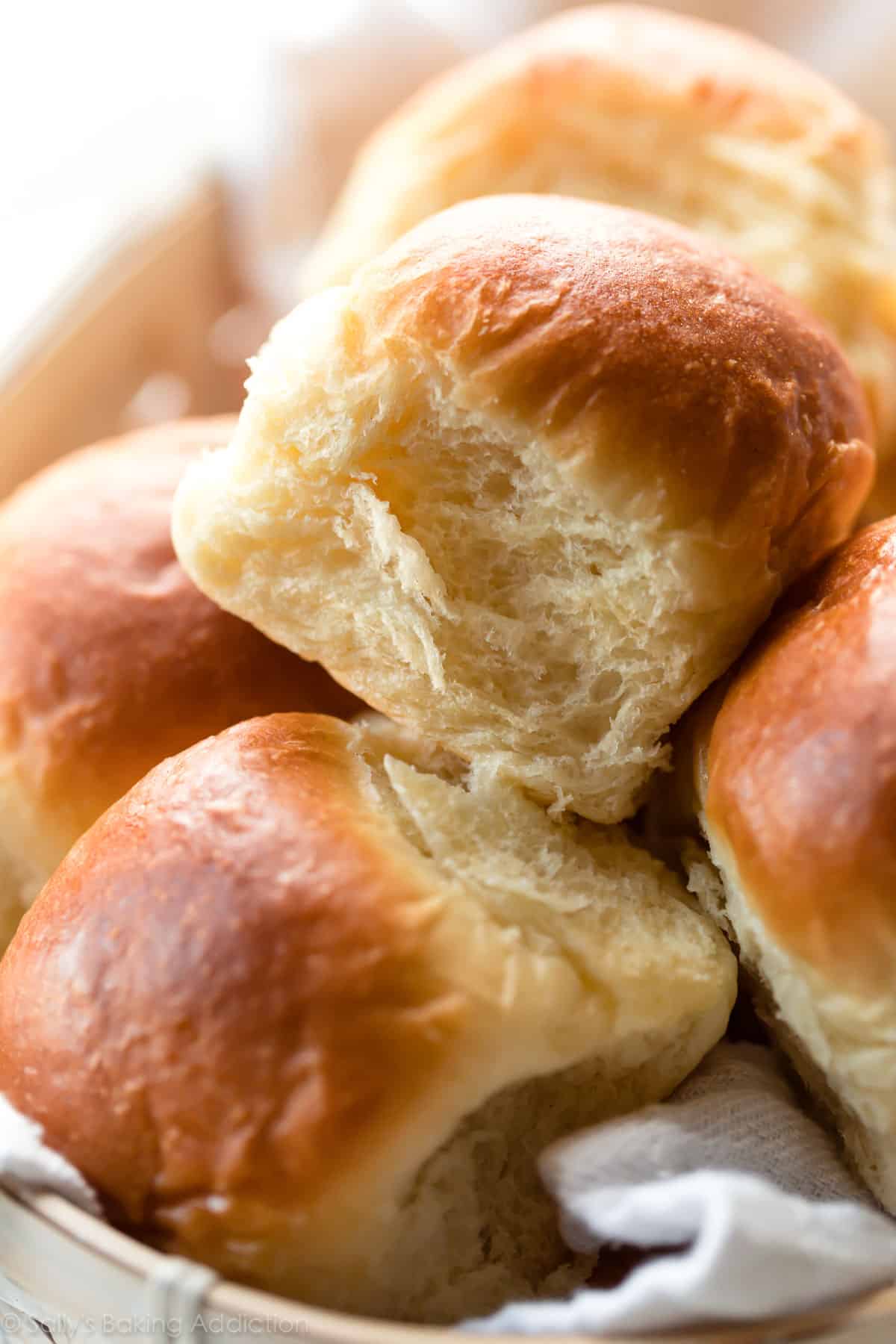
I’m teaching you how to make homemade dinner rolls. These are the best homemade dinner rolls I’ve ever had and it all starts with a straightforward 7-ingredient dough. I make these rolls whenever I get the chance and even brought a pan to our friends who just welcomed a baby. They’re pillow-soft with the most delicious flaky and buttery texture. Everyone will demand you bake them on repeat.
And with this recipe, I guarantee you will finally feel confident baking bread. 🙂
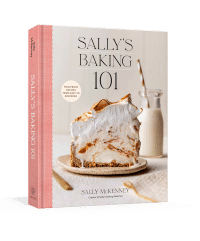
This recipe is such a fan favorite, that it deserved a spot in print! You’ll also find this recipe in my cookbook, Sally’s Baking 101.
Video Tutorial: Dinner Rolls
Let’s start with a video tutorial.
Overview: How to Make Homemade Dinner Rolls
- Make the dough. Continue below to learn more about this dough recipe.
- Knead the dough. Reference my How to Knead Dough video tutorial if you need extra help with this step.
- Cover the dough and let it rise. The dough rises in about 1-2 hours in a relatively warm environment.
- Punch down the dough to release the air and shape into rolls.
- Let the rolls rise for about 1 hour.
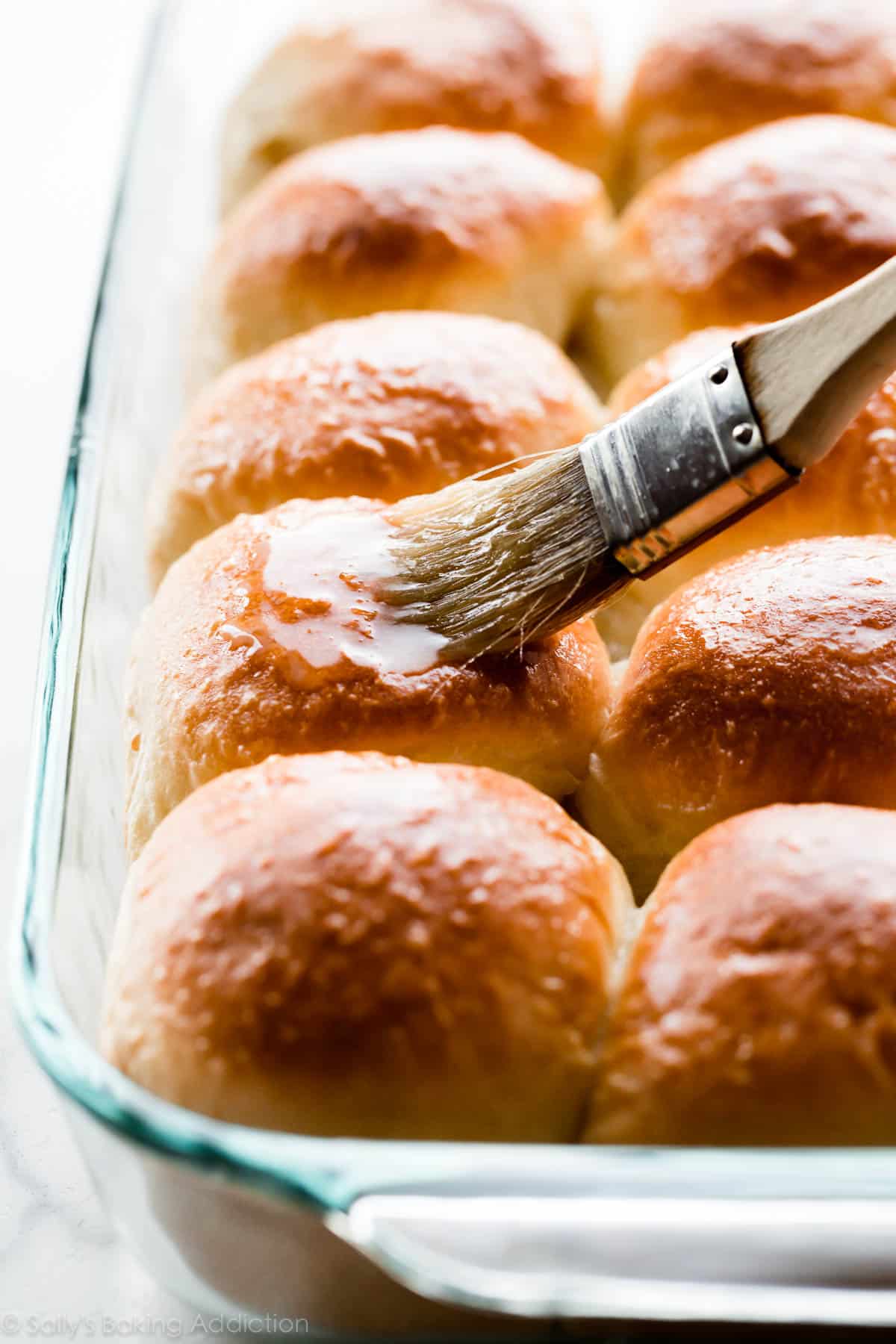
- Bake for 20-25 minutes until golden brown. If desired, brush the warm rolls with a little honey and melted butter for extra flavor.
As shown in the video tutorial, the dough comes together with a mixer. You can use a paddle attachment or a dough hook. You can also make the dough by hand, but it requires a bit of arm muscle. After the dough comes together in the mixing bowl, it’s time to knead. You can simply continue beating the dough with the mixer for this step or you can knead the dough by hand. I chose to knead the dough by hand so you can see me doing it in the video above.
If you’re new to bread making, my How to Knead Dough post and video can help even more with this step. And my Baking with Yeast Guide is a wonderful resource for all bread beginners!
Soft Dinner Rolls Require a Rich Dough
The crustier and chewier the bread, the less fat in the dough. This is known as a lean dough. The softer and richer the bread, the more fat in the dough. This is known as a rich dough. Unlike chewy homemade bagels, focaccia, ciabatta, and my artisan bread, soft dinner rolls require a rich dough. Unfortunately, this doesn’t mean that the dough is swimming in cash. Rather, “rich” correlates with the amount of fat. For example, this dough has milk, butter, and egg.
You need 7 ingredients total. They’re the same ingredients in my easy cinnamon rolls and homemade brioche, which are also rich doughs. (Though I use more sugar for sweeter cinnamon rolls, of course.)
- Milk: Liquid activates the yeast. For the softest dinner rolls, use whole milk. Nondairy or low fat milks work too, but whole milk produces phenomenal flavor and texture.
- Yeast: You can use active dry yeast or instant yeast. If using active dry yeast, the rise times will be a little longer. I recommend Platinum Yeast from Red Star, which is an instant yeast blended with natural dough improvers.
- Sugar: Sugar feeds the yeast, increases its activity, and tenderizes the dough.
- Egg: 1 egg provides structure and flavor.
- Butter: Butter promises a flavorful and soft dinner roll. Make sure it’s room temperature.
- Salt: You can’t make flavorful bread without salt!
- Flour: You can use all-purpose flour or bread flour in this recipe. All-purpose flour is convenient for most, but bread flour produces chewier dinner rolls. There are no other changes to the recipe if you use bread flour.
Once you make the dough, let it rise:
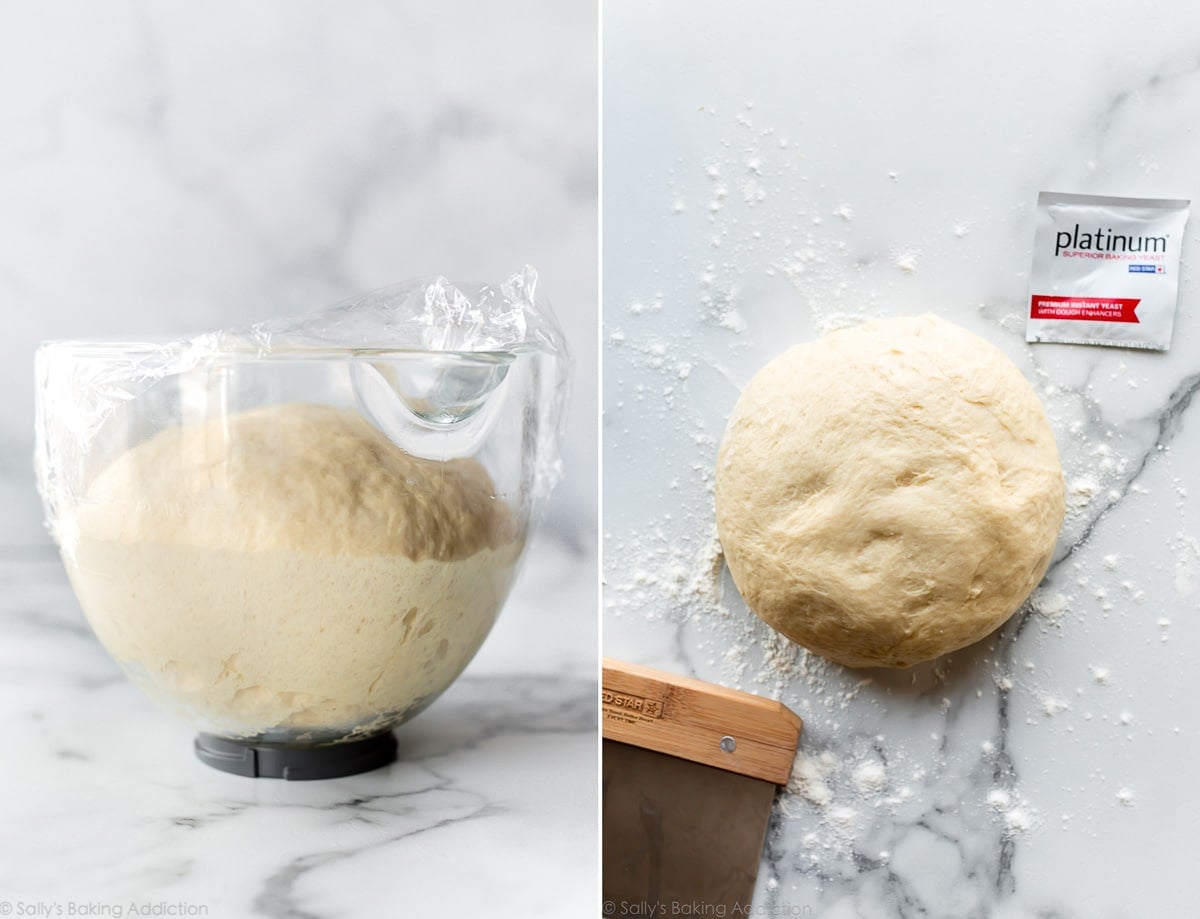
After that, punch down the risen dough. Shape into balls and arrange in a baking pan. Don’t worry if they’re not all uniform in size.
Let the shaped rolls rise before baking. Look how puffy they get after 1 hour of rising:
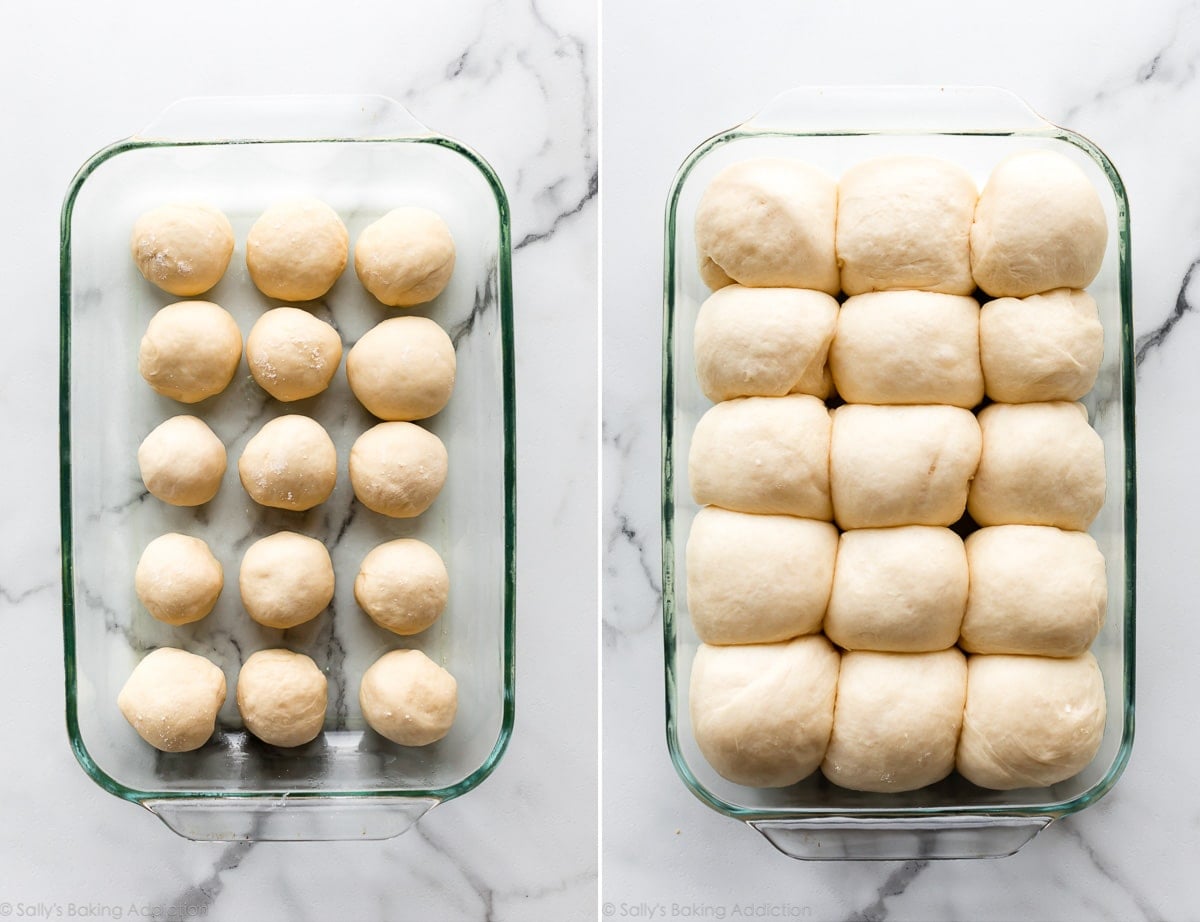
How to Shape Dinner Rolls
You can shape this dough many different ways including twisted rolls, knotted rolls (how I shape garlic knots), cloverleaf rolls, or even hot dog buns. Let’s stick with the basic round shape. Divide the dough into 14-16 pieces. Take a piece and stretch the top of the dough while pinching and sealing the bottom. Make sure the rolls are smooth on top and sealed on the bottom. I shape hot cross buns the same exact way.
How to Make Yeast Rolls Ahead of Time
The rolls require around 3 hours of rising. Not everyone has 3 hours to spare, so let’s discuss another option! Prepare the dough, let it rise, and shape the rolls. Cover the shaped rolls tightly and refrigerate for up to about 16 hours. At least 3 hours before you need them the next day, remove the rolls from the refrigerator and allow to rise on the counter for about 1-2 hours before baking.
And here’s how to freeze dinner rolls: Follow the make-ahead instructions and instead of refrigerating overnight, freeze the rolls in a baking pan. Once frozen, they won’t stick together anymore and you can place them in a freezer bag. Let them thaw and rise for about 4-5 hours, then bake. You can also freeze the baked dinner rolls. Therefore, if you want a smaller batch, you can make the entire recipe and bake only a few fresh rolls at a time.
These make-ahead options are especially helpful if you want fresh-baked rolls for Easter brunch, Thanksgiving dinner, or on Christmas.
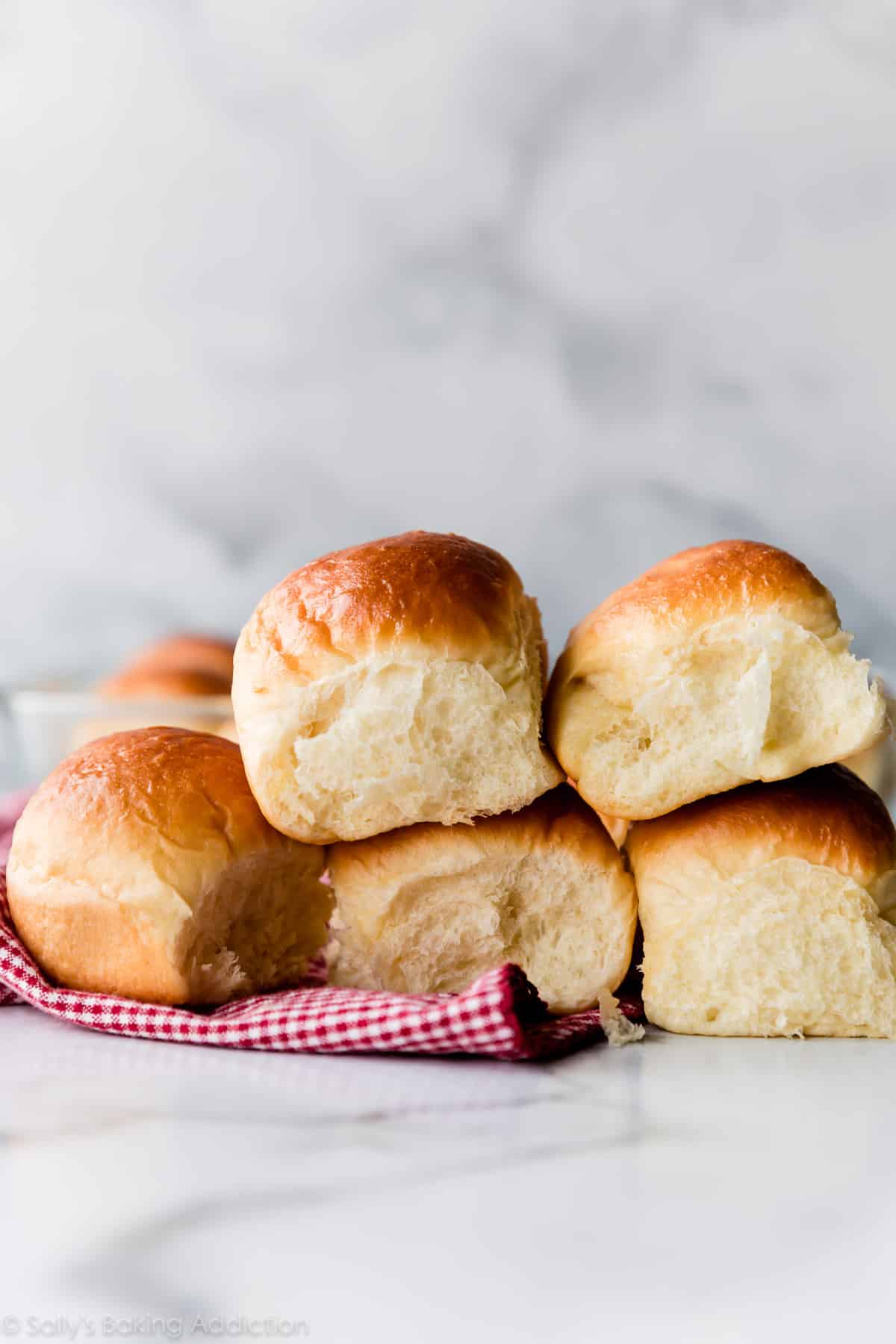
Dinner Roll Flavors
How about some pizazz? Mix in these ingredients when you add the flour.
- Rosemary Dinner Rolls – 2 Tablespoons fresh or dried chopped rosemary.
- Cheddar Dinner Rolls – 1 cup shredded cheddar cheese. Other cheese varieties work, but avoid super soft cheeses.
- Garlic & Herb Dinner Rolls – 2 teaspoons each: dried rosemary, dried basil, & dried parsley, along with 1 teaspoon garlic powder.
- Whole Wheat Dinner Rolls
- Brown Butter Sage Dinner Rolls
- Honey Butter Rolls
- Sweet Potato Dinner Rolls
- Oatmeal Molasses Dinner Rolls
- Multigrain Rolls – Here is my Multigrain Bread recipe that you can turn into rolls.
They’re also fantastic with a simple swipe of homemade honey butter or homemade cinnamon butter.
This dough is not ideal for a big loaf of bread. Instead, I recommend using a leaner dough, such as my sandwich bread or whole wheat bread recipes. If you need an egg free dough, try homemade breadsticks instead. And if you love pizza, try these pizza pull apart rolls next!
3 Success Tips
- Reference my Baking with Yeast Guide, which answers many common yeast FAQs.
- Make sure your yeast isn’t expired. Expiration date is on the package.
- Directly from the pros at Red StarYeast: Measuring flour correctly is key to avoiding a dense dough, which leads to heavy (not soft!) rolls. Spoon and level your flour, do not scoop it out of the package.
My final piece of advice? Don’t limit these rolls to suppertime. They’re welcome anywhere, with any meal, any time of day. Use for sliders, breakfast sandwiches, soaking up your favorite tomato sauce with slow cooker turkey meatballs, alongside salad, or dunking into a bowl of creamy chicken noodle soup. Above all, don’t doubt yourself because you, too, can become a bread baking pro.
Soft Dinner Rolls Recipe
- Prep Time: 3 hours, 25 minutes
- Cook Time: 22 minutes
- Total Time: 3 hours, 45 minutes
- Yield: 14-16 rolls
- Category: Dinner
- Method: Baking
- Cuisine: American
Description
You only need 7 ingredients to make these dinner rolls. Flaky, soft, and buttery, these fresh dinner rolls outshine any main dish. See recipe notes for freezing and overnight instructions. You can also reference my Baking with Yeast Guide for answers to common yeast FAQs. This recipe is also in my cookbook, Sally’s Baking 101.
Ingredients
- 1 cup (240ml) whole milk, warmed to about 110°F (43°C)
- 2 and 1/4 teaspoons Platinum Yeast from Red Star instant yeast (1 standard packet)
- 2 Tablespoons granulated sugar, divided
- 1 large egg
- 1/4 cup (4 Tbsp; 56g) unsalted butter, softened to room temperature and cut into 4 pieces
- 1 teaspoon salt
- 3 cups (390g) all-purpose flour or bread flour* (spooned & leveled)
- optional topping: 2 Tablespoons (28g) melted unsalted butter mixed with 1 Tablespoon honey
Instructions
- Prepare the dough: Whisk the warm milk, yeast, and 1 Tablespoon of sugar together in the bowl of your stand mixer. Cover and allow to sit for 5 minutes. *If you do not own a stand mixer, you can do this in a large mixing bowl and in the next step, mix the dough together with a large wooden spoon/silicone spatula. It will take a bit of arm muscle. A hand mixer works, but the sticky dough repeatedly gets stuck in the beaters. Mixing by hand with a wooden spoon or silicone spatula is a better choice.*
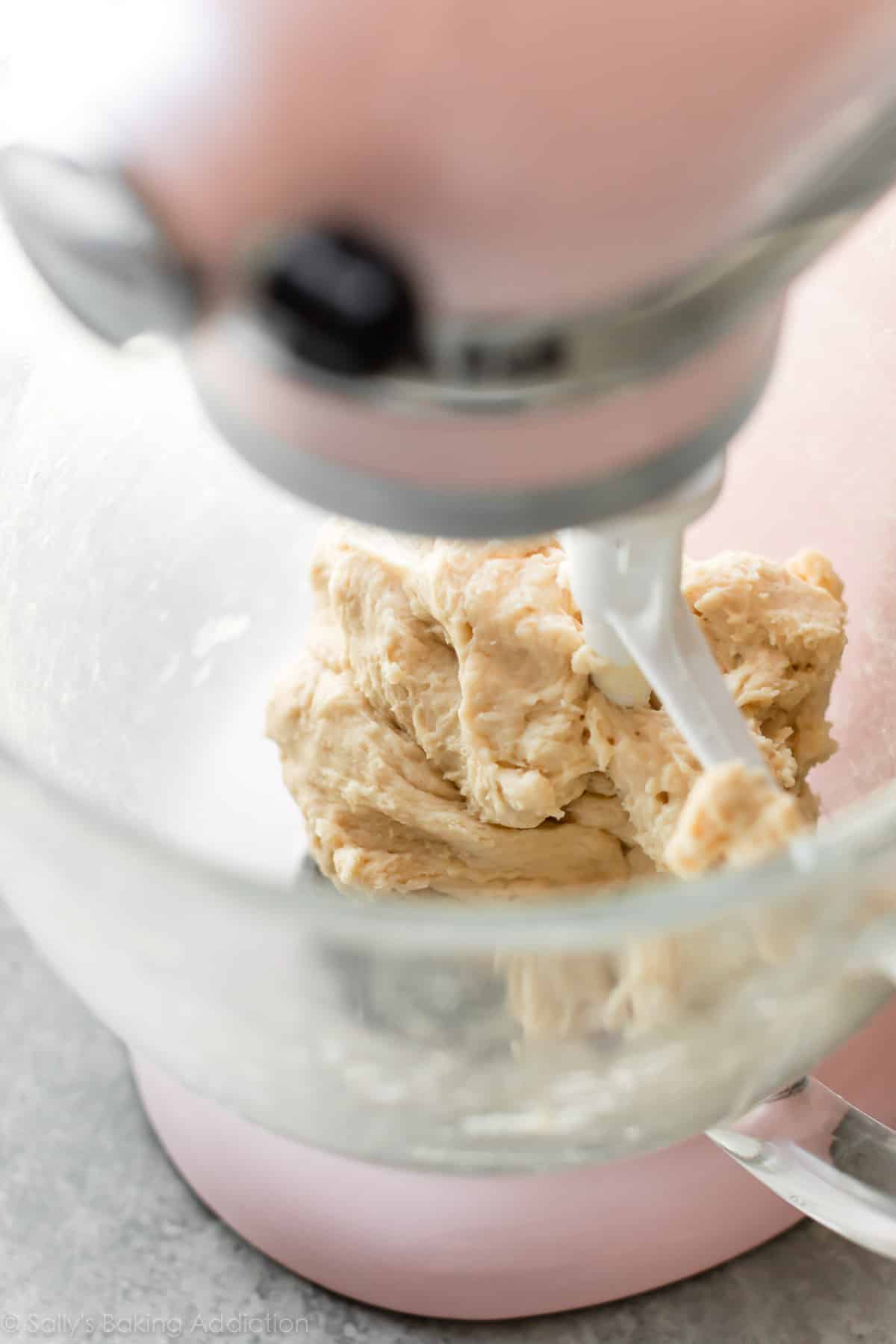
- Add the remaining sugar, egg, butter, salt, and 1 cup flour. With a dough hook or paddle attachment, mix/beat on low speed for 30 seconds, scrape down the sides of the bowl with a silicone spatula, then add the remaining flour. Beat on medium speed until the dough comes together and pulls away from the sides of the bowl, about 2 minutes. If the dough seems too wet to a point where kneading (next step) would be impossible, beat in more flour 1 Tablespoon at a time until you have a workable dough, similar to the photos above. Dough should be soft and a little sticky, but still manageable to knead with lightly floured hands.
- Knead the dough: Keep the dough in the mixer and beat for an additional 5 full minutes, or knead by hand on a lightly floured surface for 5 full minutes. (If you’re new to bread-baking, my How to Knead Dough video tutorial can help here.) If the dough becomes too sticky during the kneading process, sprinkle 1 teaspoon of flour at a time on the dough or on the work surface/in the bowl to make a soft, slightly tacky dough. Do not add more flour than you need because you do not want a dry dough. After kneading, the dough should still feel a little soft. Poke it with your finger—if it slowly bounces back, your dough is ready to rise. You can also do a “windowpane test” to see if your dough has been kneaded long enough: tear off a small (roughly golfball-size) piece of dough and gently stretch it out until it’s thin enough for light to pass through it. Hold it up to a window or light. Does light pass through the stretched dough without the dough tearing first? If so, your dough has been kneaded long enough and is ready to rise. If not, keep kneading until it passes the windowpane test.
- 1st Rise: Lightly grease a large bowl with oil or nonstick spray. Place the dough in the bowl, turning it to coat all sides in the oil. Cover the bowl with aluminum foil, plastic wrap, or a clean kitchen towel. Allow the dough to rise in a relatively warm environment for 1-2 hours or until double in size. (I always let it rise on the counter. Takes about 2 hours. For a tiny reduction in rise time, see my answer to Where Should Dough Rise? in my Baking with Yeast Guide.)
- Grease a 9×13 inch baking pan or two 9-inch square or round baking pans. You can also bake the rolls in a cast iron skillet or on a lined baking sheet.*
- Shape the rolls: When the dough is ready, punch it down to release the air. Divide the dough into 14-16 equal pieces. (Just eyeball it– doesn’t need to be perfect!) A bench scraper is always helpful for cutting dough. Shape each piece into a smooth ball. Arrange in prepared baking pan.
- 2nd Rise: Cover shaped rolls with aluminum foil, plastic wrap, or a clean kitchen towel. Allow to rise until puffy, about 1 hour.
- Adjust oven rack to a lower position and preheat oven to 350°F (177°C). (It’s best to bake the rolls towards the bottom of the oven so the tops don’t burn.)
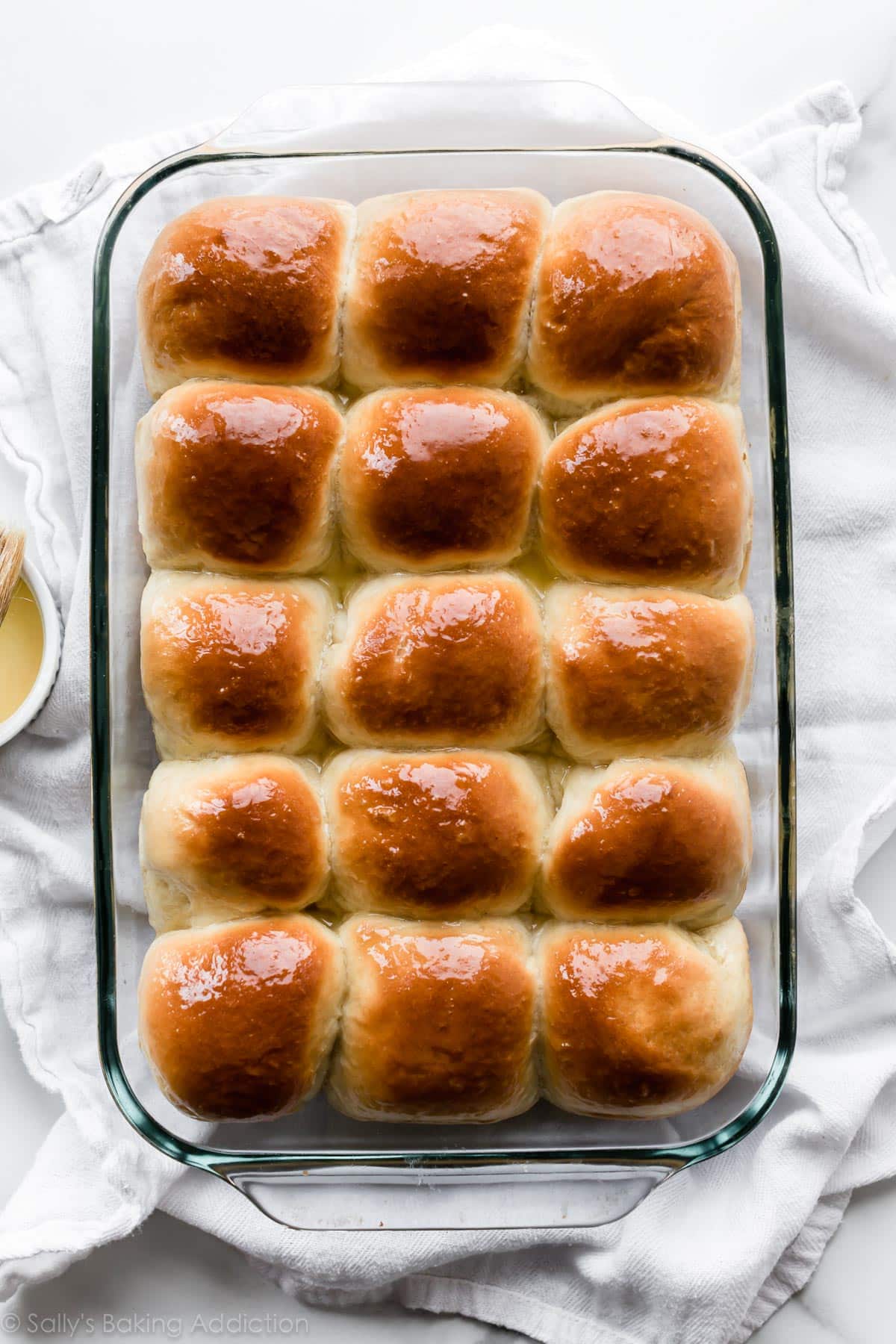
- Bake the rolls: Bake for 20-25 minutes or until golden brown on top, rotating the pan halfway through. If you notice the tops browning too quickly, loosely tent the pan with aluminum foil. Remove from the oven, brush with optional honey butter topping, and allow rolls to cool for a few minutes before serving.
- Cover leftover rolls tightly and store at room temperature for 2-3 days or in the refrigerator for up to 1 week.
Notes
- Freezing Instructions: Prepare recipe through step 6. Place shaped rolls in a greased baking pan, cover tightly, and freeze for up to 3 months. Once frozen, the dough balls won’t stick together anymore and you can place them in a freezer bag if needed. On the day you serve them, arrange the dough balls in a greased baking pan, cover tightly, then let them thaw and rise at room temperature for about 4-5 hours. Bake as directed. You can also freeze the baked dinner rolls. Allow them to cool completely, then freeze for up to 3 months. Thaw in the refrigerator or at room temperature, then reheat as desired. If reheating the whole pan, lightly cover and reheat in a 300°F (149°C) oven for about 10 minutes or until warm.
- Overnight Instructions: Prepare the recipe through step 6. Cover the shaped rolls tightly and refrigerate for up to about 15 hours. At least 3 hours before you need them the next day, remove the rolls from the refrigerator, keep covered, and allow to rise on the counter for about 1-2 hours before baking. Alternatively, you can let the dough have its 1st rise in the refrigerator overnight. Cover the dough tightly and place in the refrigerator for up to about 15 hours. Remove from the refrigerator and allow the dough to fully rise for 2 more hours. Continue with step 5.
- Special Tools (affiliate links): Electric Stand Mixer or Glass Mixing Bowl and Wooden Spoon / Spatula | 9×13-inch Glass Baking Pan | Bench Scraper | Pastry Brush
- Baking Pan: I prefer baking the rolls in a glass 9×13 inch baking pan because I find they brown a little too quickly in metal. As long as you bake the rolls on a lower oven rack and keep your eye on them, any pan is great.
- Yeast: Platinum Yeast from Red Star is an instant yeast. You can use Red Star Yeast active dry yeast instead. Rise times will be slightly longer using active dry yeast. Reference my Baking with Yeast Guide for answers to common yeast FAQs.
- Flour: You can use all-purpose flour or bread flour. All-purpose flour is convenient for most, but bread flour produces chewier dinner rolls. The rolls are still soft and fluffy no matter which you use. Either flour is fine and there are no other changes to the recipe if you use one or the other.
Adapted from Homemade Bread Bowls and Honey Butter Rolls








Reader Comments and Reviews
These were so easy to make, but I think I’ll add additional salt to the dough because the tops of the cooked rolls with salted butter and kosher salt was delicious!
I have a question about measuring flour. If using a kitchen scale and weighing in grams, do you still need to level and spoon the flour? I haven’t been because it makes sense that the weight is more accurate but I just wanted to make sure! Thanks in advance!
Hi Laurie, No need to spoon & level ingredients if you’re weighing them.
Perfection. These were such a hit at Thanksgiving. Now I’m wondering, will this recipe will work for hamburger or hot dog buns?
Hi Ruby, these will make very light and fluffy hamburger or hot dog buns and we fear they wouldn’t support the meat very well. Though you can still certainly try it. You may want to try our bread bowls dough instead. We’re unsure exactly how many either recipe would make, so let us know if you try it!
Delicious! These rolls were fluffy, tender, buttery. I got lots of compliments about how good the rolls were.
I made these rolls for our Thanksgiving dinner today. They turned out perfect and was a delicious recipe. Thanks for sharing
Hi, my rolls were really light and airy. They never browned, they got dry because I tried to get them to brown. Any advice on what I did wrong? Thanks in advance
Hi Brandie, The placement of the baking pan in the oven can brown the rolls more or less, but all ovens are different. You can try moving the oven rack up to a higher position next time.
Perfect recipe! My family said this is now our go to recipe. It reminds me of my great grandmothers rolls. It’s so good!
I made these for Thanksgiving, tripled the recipe and kept made them in 3 separate batches for consistency. Fabulous!!!! Fluffy and perfectly cooked. Fluffy and delicious. Best rolls!!! Absolutely crowd favorite.
These were so good!! Very easy to make and produced soft, flavourful buns.
I simply loved your soft dinner roll recipe. It was a hit for us. So soft and buttery. Because of diabetic concerns I didn’t use the butter honey topping, but when it’s just my husband and myself I will definitely try it.
Yummy! My sweet potatoes started to go bad before I got to making these so I used half sweet potato and half regular potato. It turned out good!
Is it possible to use Active Dry Yeast instead on instant yeast? Thats all I have on hand. If so, what are the differences I have to look out for?
Hi Jennifer, you can use active dry yeast instead. Rise times will be slightly longer using active dry yeast.
I made two batches of this dough and ended up with 28 rolls baked in a sheet pan (4 rows of 7). I just took these out of the oven. They look exactly like the ones in the picture and they are delicious! They will be a welcome addition to our Thanksgiving table later today. Thank you, Sally!
My son calls these the “distubingly good” rolls, as in “you’re making the disturbing good rolls again this year, right? Thanks for another winner Sally!
My son calls these “the disturbing good rolls”
Thanks again Sally!
I love these rolls! ☺️
Quick question– can I double this recipe? We have a large crowd coming this year.
Hi Emily, For the best results, we recommend making separate batches rather than doubling.
If the dough balls have risen, am I able to travel 20 minutes with them? I would like to bake them at the destination so they come out warm. Will the fall?
That should be fine, Jessica!
Omg this is thee best rolls I have ever made and infact thee best I have ever tasted. Now I had to tweek a touch cause I didn’t have whole milk so I did 9/10 2% milk with 1/10 whipping cream. But followed the rest as directed. I made two batches for Thanksgiving dinner tomorrow and we ate so many tonight that I need to make more tomorrow for thanksgiving. Lol. Thank you so much.
This was the fluffiest, mouth watering dinner rolls I have ever had
Just made two different batches of these tonight for Thanksgiving. One with milk and the other with water. The dough was softer with the water batch but end result they both taste AMAZING! This is coming from a guy who just started to love baking and this site is perfect.
I’m making these for tomorrow, and am so excited! I did the first step of letting the dough rise in the bowl, but instead of 1-2 hours, I forgot about it at it stayed there for 5-6. I had it covered in my counter. I am wondering if you think this is okay because of the egg in the dough? The temperature is around 70 degrees in the house.
Hi Rory, it will be fine to eat. But the rolls may have a strong yeast taste from being over-proofed. Let me know how they turn out.
Trying this recipe now! Can I use an egg wash before baking ? Will it affect the end result besides making the tops more golden brown ?
I’m not sure what I did wrong… I followed the recipe step by step. I don’t have a stand mixer so I hand kneaded it. Mine came out soft but pretty dense. Not pillowy soft and light looking like yours. Any advice on what went wrong?
Hi Emma, How did you measure the flour? Make sure to spoon and level (instead of scooping) to avoid packing in too much flour into your measuring cups – or use a kitchen scale. Over-kneading dough can also cause the rolls to be tough and dense. Thank you for giving these a try!
Hi! I make these every year and love them! Larger crew for Turkey Day this year. Can I double the batch recipe? Or should I just make 2 separate batches?
Hi Kim! We recommend two separate batches.
These rolls were so good. They turned out beautifully and were a big hit! I love Sally’s recipes and this one does not disappoint. I used buttermilk in this recipe instead of whole milk just because I had some I needed to use up and they turned out fabulous. Thank you Sally! You’re my go to site for recipes!
Hi! Can I use whole wheat flour and keep everything else the same?
Hi Emma, You could replace 1 cup of the regular flour in this recipe with whole wheat flour, but expect the rolls to taste a little heavy. Or, we recommend these whole wheat rolls if you want to use 100% whole wheat flour.
I forgot the butter and have already kneaded the dough. Should I just throw it out?
Hi Brandy! You can still bake the rolls, they may just be a little less soft. Make sure to add the honey butter after baking
Do you think the dough would turn out in my bread machine on the dough setting? I am debating giving it a try and wondering if there would be any reason it wouldn’t work well for this recipe?
Hi Janell, a few readers have reported back with success using a bread machine. I do not have one, so I have not personally tested it!
Hi bakers,
Can the sugar be o itted?
Hi Lee, feel free to use just 2 teaspoons of sugar in step 1 and omit the rest. (So reduce down to 2 teaspoons total.) The sugar feeds the yeast, tenderizes the dough, and adds flavor.
Can I use honey instead of sugar?
Hi Kristy, we’d recommend following our honey butter rolls instead. Hope you enjoy them!
I have loved every bread recipe I have tried of yours. This one is amazing. I will be using it for my Thanksgiving dinner tomorrow. Thanks so much for the ease of your recipes. I wish I could post a pic
I’m so excited to try these!! I just had a question on flour type. I know you said you can use all purpose flour or bread flour but which is your go-to?
Hi Ryleigh, we prefer to use bread flour, as it produces chewier dinner rolls. The rolls are still soft and fluffy no matter which you use. Hope you enjoy!