
Description
Light as air, delicately crisp on the outside, and soft and marshmallowy within, this homemade meringue roulade is a show-stopping dessert worthy of a special occasion. Start by making a billowy whipped meringue, bake it just until set, then roll it up with a lightly sweet vanilla cream filling and your favorite flavors of jam or curd (we love this with lemon curd and raspberry jam!). Read through the entire recipe before beginning, and avoid making this on very humid days, as moisture in the air can affect the meringue’s texture.
Ingredients
Meringue
- 5 egg whites, at room temperature (150g) (use the yolks for lemon curd!)*
- 1 cup (200g) granulated sugar, + 1 Tablespoon (12g) for sprinkling
- 1/2 teaspoon cream of tartar
- 1 and 1/2 teaspoons cornstarch
- 1 teaspoon vanilla bean paste or pure vanilla extract
- pinch of salt
- confectioners’ sugar, for dusting parchment
Cream Filling
- 1 cup (240g/ml) heavy cream, cold
- 1/3 cup (40g) confectioners’ sugar
- 1 teaspoon vanilla bean paste or pure vanilla extract
- 4 ounces (113g) full-fat block cream cheese, softened to room temperature
- optional: lemon curd and/or jam
Garnishes (Optional)
- 1/2 batch homemade whipped cream
- Fresh fruit such as berries and lemon slices
- Crushed pistachios
Instructions
- I recommend reading this recipe in full before beginning, including the recipe Notes below and the troubleshooting and FAQ above. This helps set you up for success!
- Make the meringue roll: Preheat the oven to 300°F (149°C).
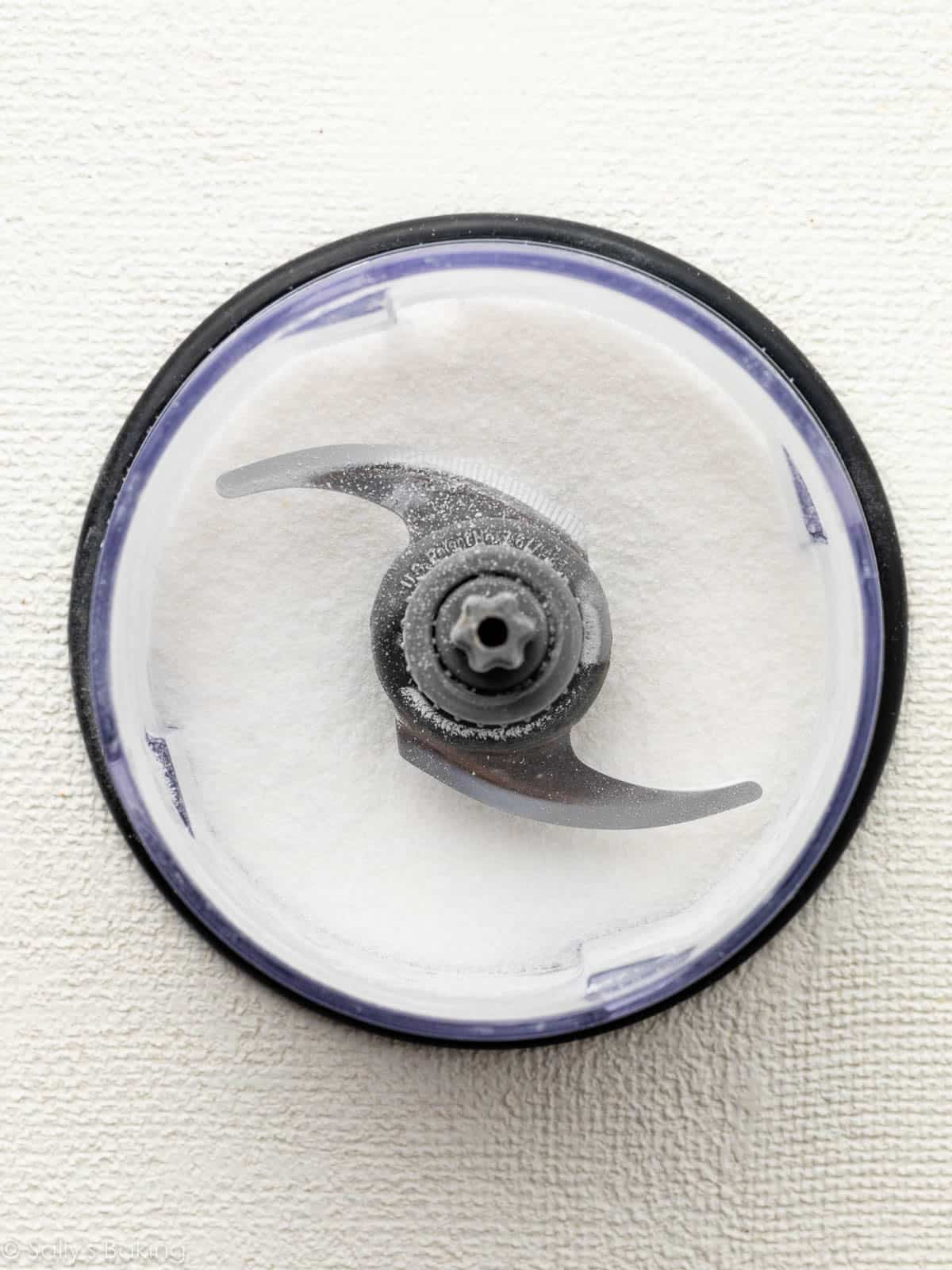
- In a food processor, process 1 cup (200g) of sugar until superfine, about 10 seconds.
-
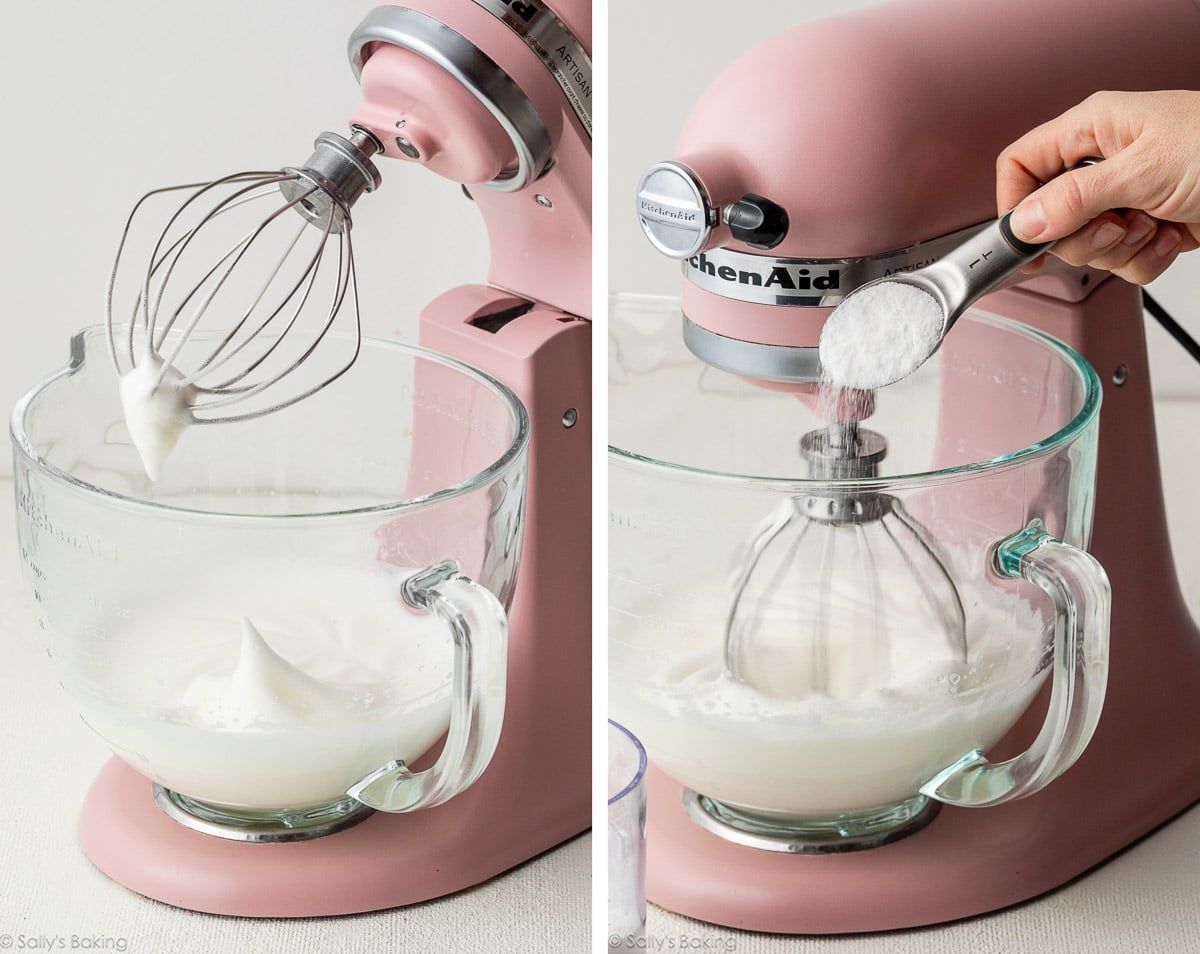
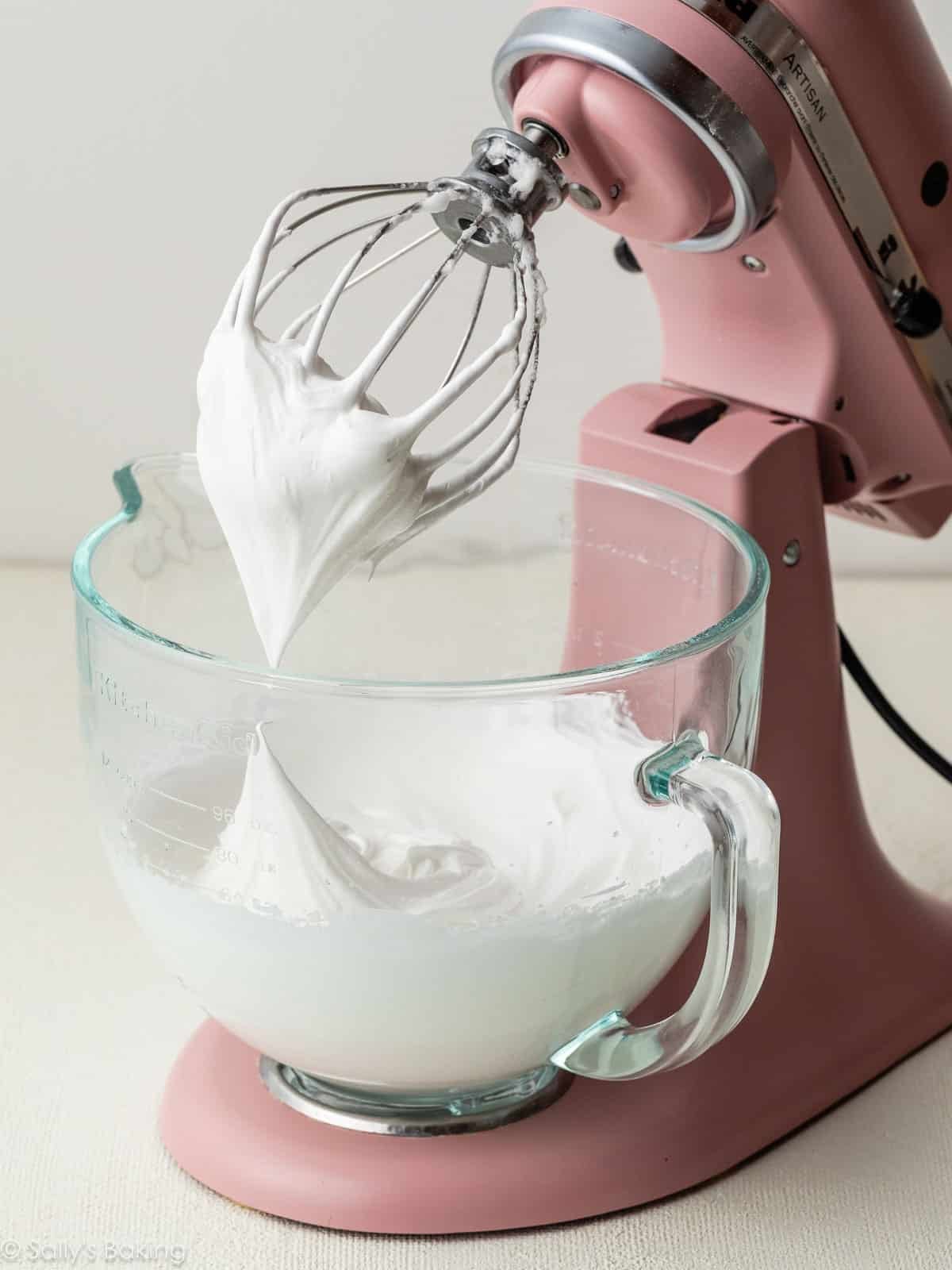
In a completely grease-free bowl, using a stand mixer fitted with a whisk attachment or a handheld mixer, whip the egg whites on medium-high speed until foamy and soft peaks form, about 2–3 minutes. Add in the cream of tartar. With the mixer running on medium-high, begin adding the superfine sugar, 1 Tablespoon at a time. Once all of the sugar has been added, turn the mixer up to high speed and continue beating until glossy stiff peaks form, about 3 minutes (or a little longer if using a handheld mixer). The peaks should be stiff enough that you can hold the whisk upright and the peaks won’t droop. Rub a small amount of the meringue between your fingers. If you feel any sugar granules, keep beating until smooth. If not, it’s ready for the remaining ingredients. Add the cornstarch, vanilla, and salt, and beat on low speed just until combined, about 10 seconds.
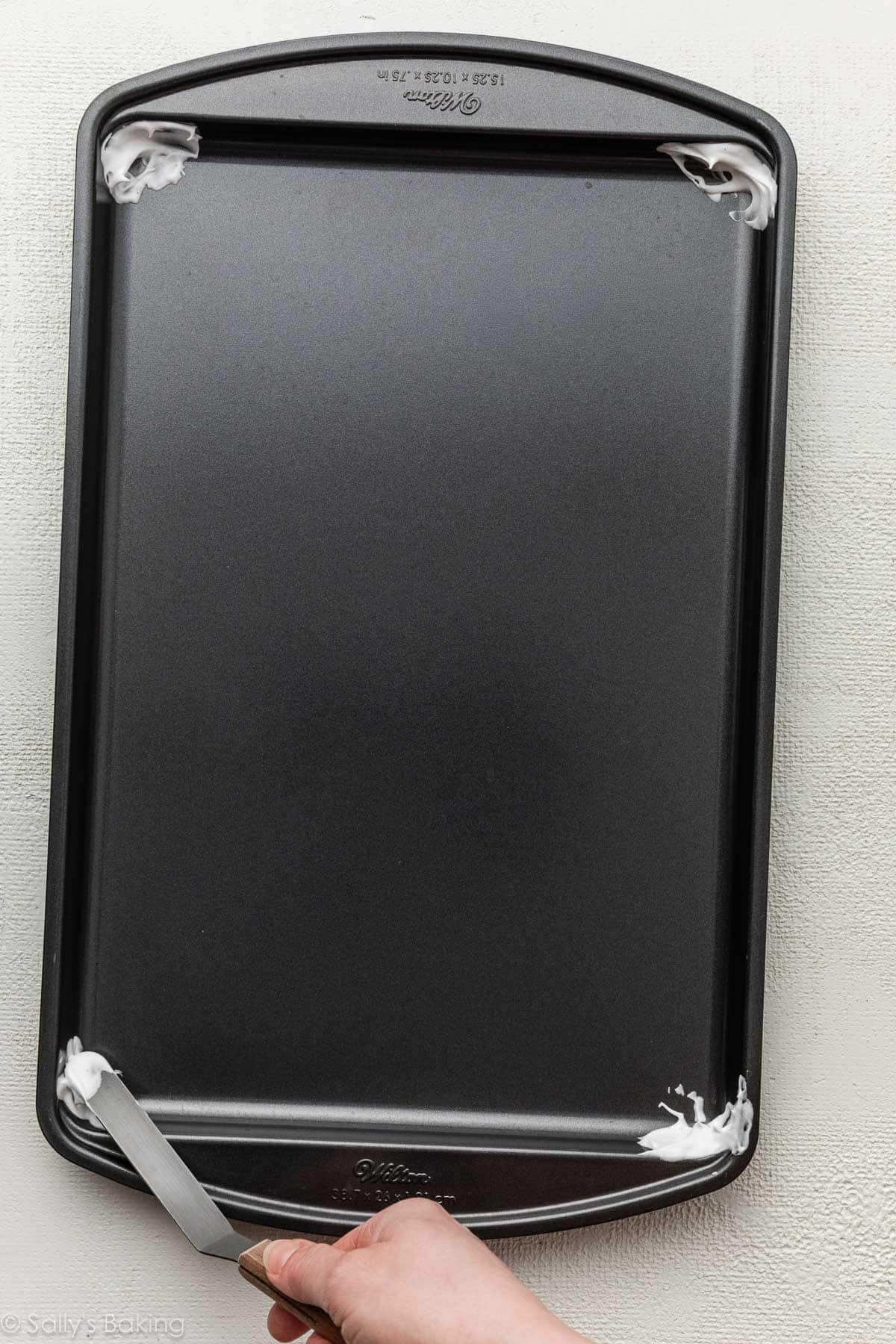
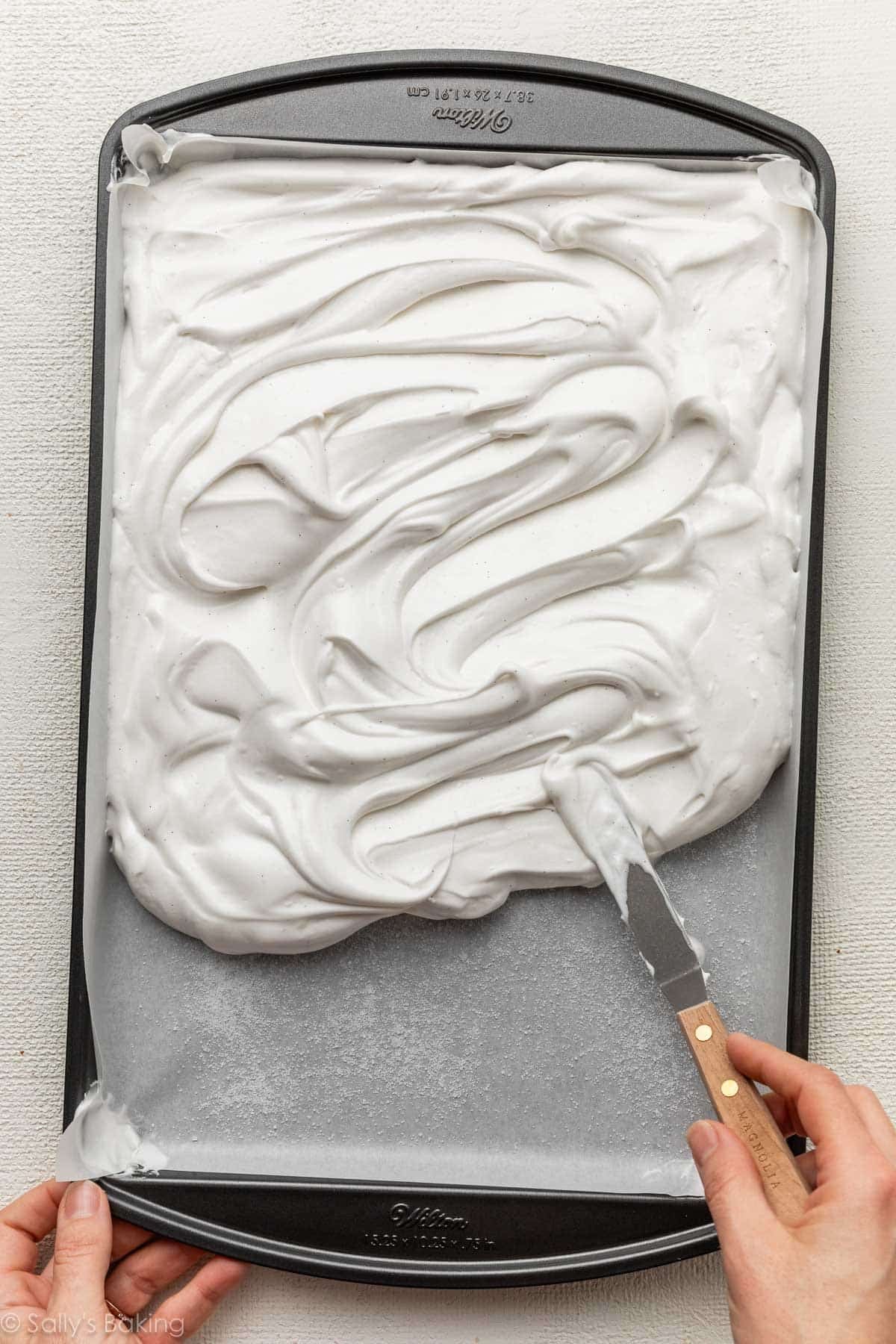
- Prepare the pan: Spread a little of the meringue in each of the corners of a 10×15-inch jelly roll pan (or any similar size) and then press the parchment paper into the pan, to help “glue” it into place. (This makes spreading much easier!) Lightly sprinkle about 1/2 Tablespoon of granulated sugar over the parchment.
- Spread the meringue in an even layer in the pan. An offset spatula is helpful here. Sprinkle the remaining 1/2 Tablespoon of granulated sugar evenly over the top. If you’re using a larger baking sheet, cut your parchment paper to 11×16 inches in size, and dot a little of the meringue on each of the four corners, then flip it over and press the parchment on the baking sheet to secure it in place. Spread the remaining meringue on the parchment, leaving about a 1-inch border all the way around.

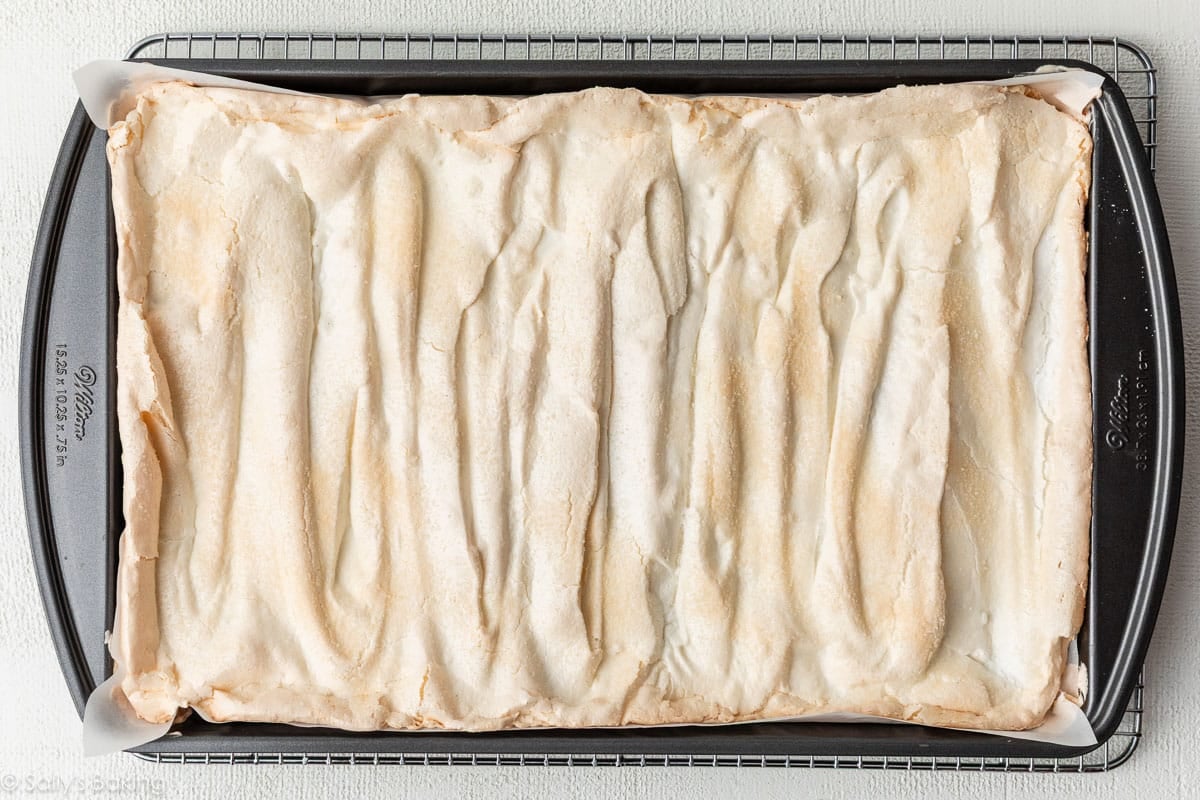
- Bake for 25–30 mins. The meringue should look set and just barely golden on top, pull slightly away from the parchment edges, and if you touch it gently, feel crisp on top but springy under the surface.

- Remove the pan from the oven and set on a cooling rack. Let the meringue cool for just 10 minutes. If it cools for too long in this step, it’s much more likely to crack. It will deflate a bit as it cools.
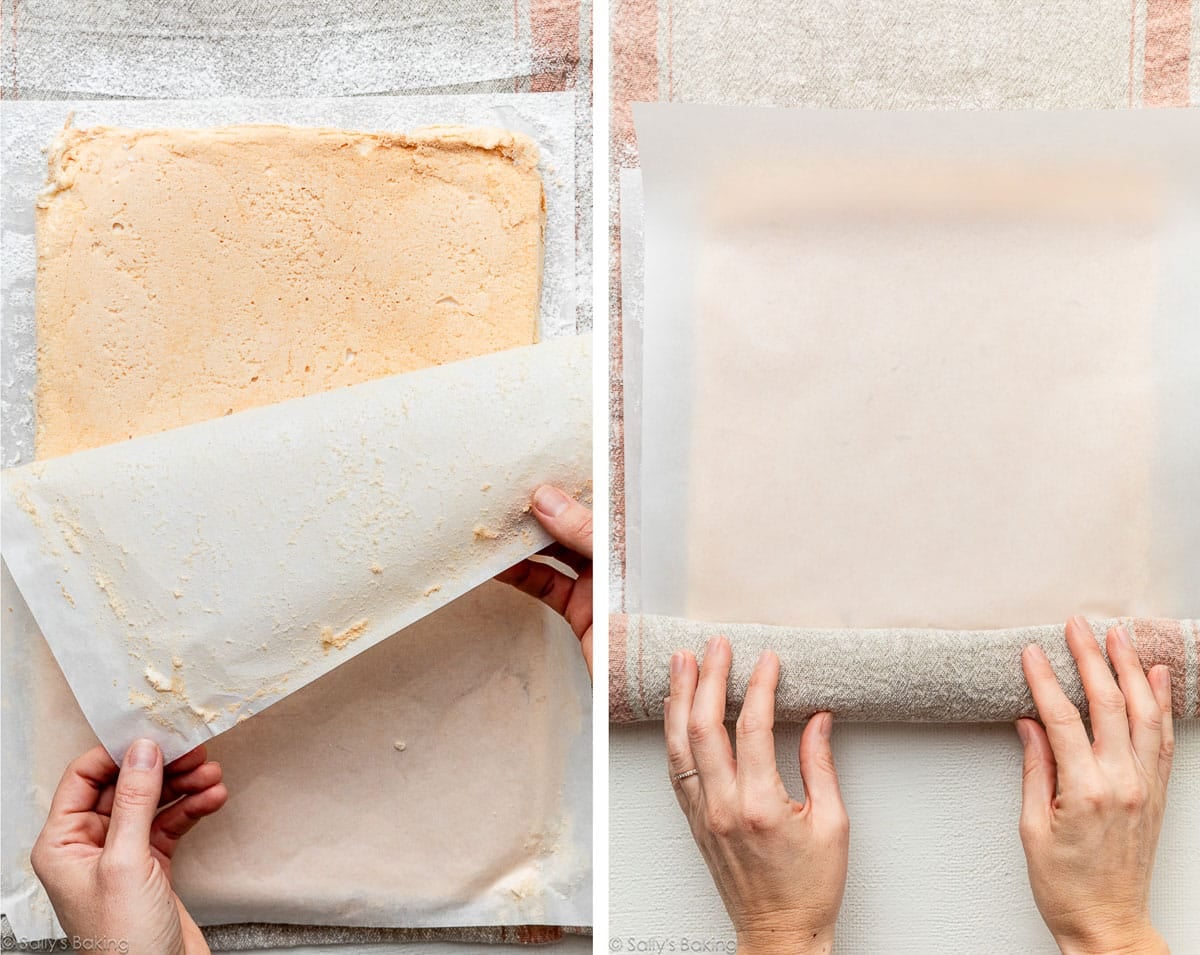
- Prepare to roll: As the meringue cools, place a piece of parchment paper (larger than 10×15 inches) on top of a clean tea towel flat on the counter. Align one of the short edges of the parchment close to one end of the towel. Using a fine mesh sieve, dust the parchment with about 1 Tablespoon of confectioners’ sugar. After 10 minutes of cooling in step 8, invert the meringue onto the parchment. Carefully peel off the parchment paper that was on the bottom of the meringue as it baked. Dust a little more confectioners’ sugar on top, then cover with a new piece of parchment. Starting with the short end aligned with the end of the towel, gently roll the meringue up with the parchment and the towel. Do this slowly but steadily, and avoid rolling it too tightly. Allow the meringue to cool at room temperature rolled up in the parchment/towel, about 45 minutes to 1 hour. Feel free to set it aside at room temperature for up to 1 day.

- Make the cream filling: Using a handheld or stand mixer fitted with a whisk attachment, whip the heavy cream, confectioners’ sugar, and vanilla on medium-high speed until soft peaks form, about 2–3 minutes. Transfer the whipped cream to another bowl. Place the softened cream cheese in the mixer bowl (no need to clean it first) and beat with the whisk attachment on medium-high speed until completely smooth.
- Add the whipped cream back into the bowl with the cream cheese. Mix on medium-low speed until just combined. Use right away (next step), or cover and refrigerate the filling for up to 3 days before using.
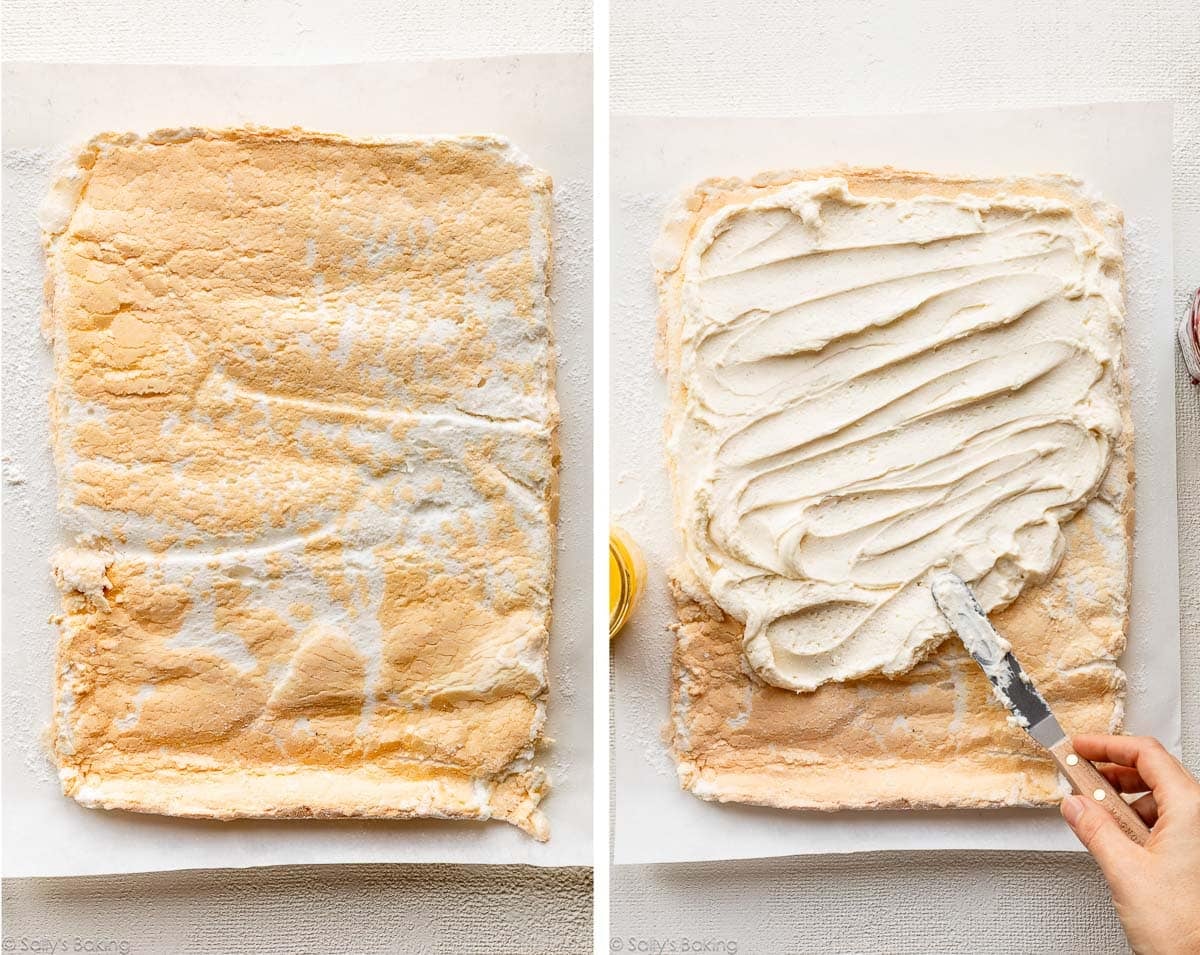
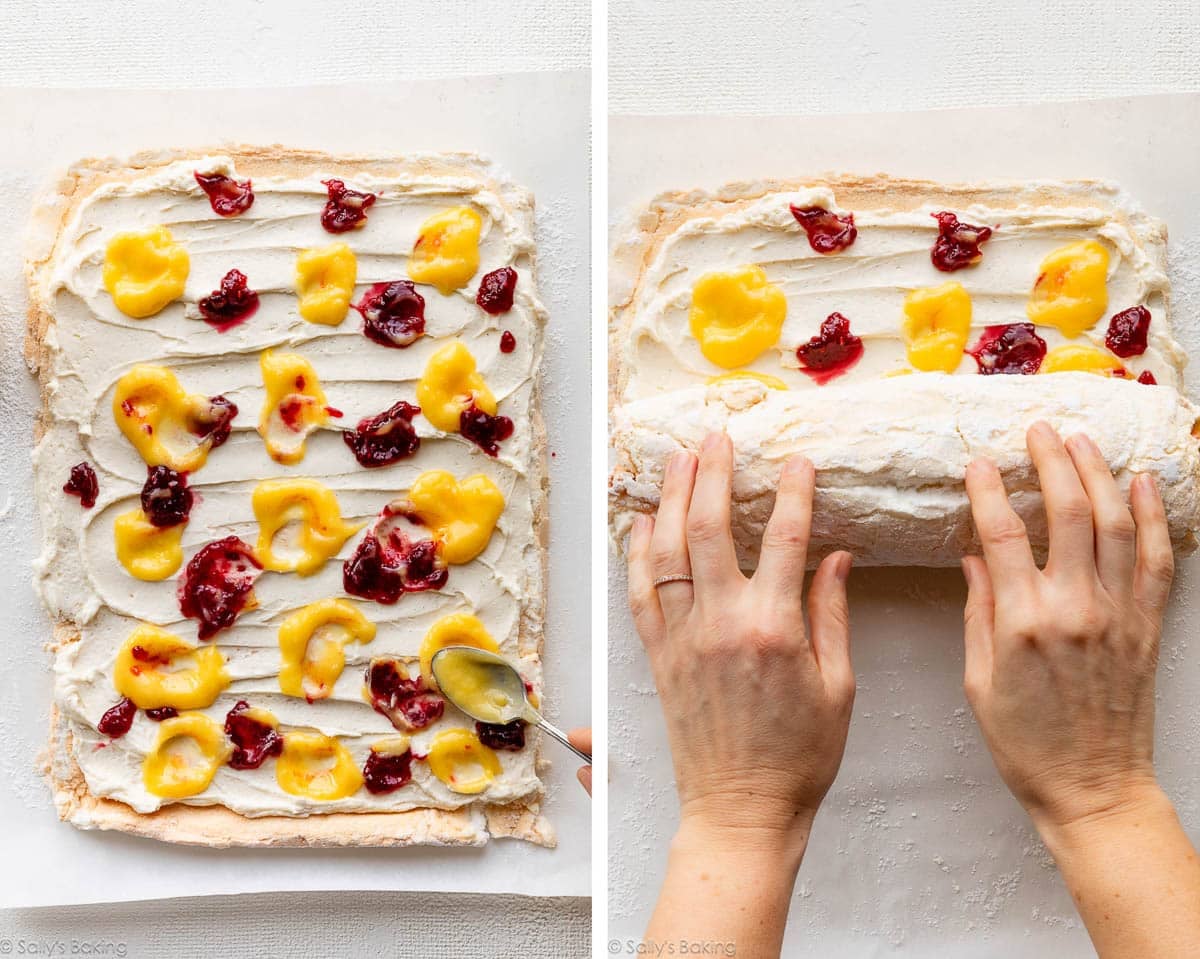
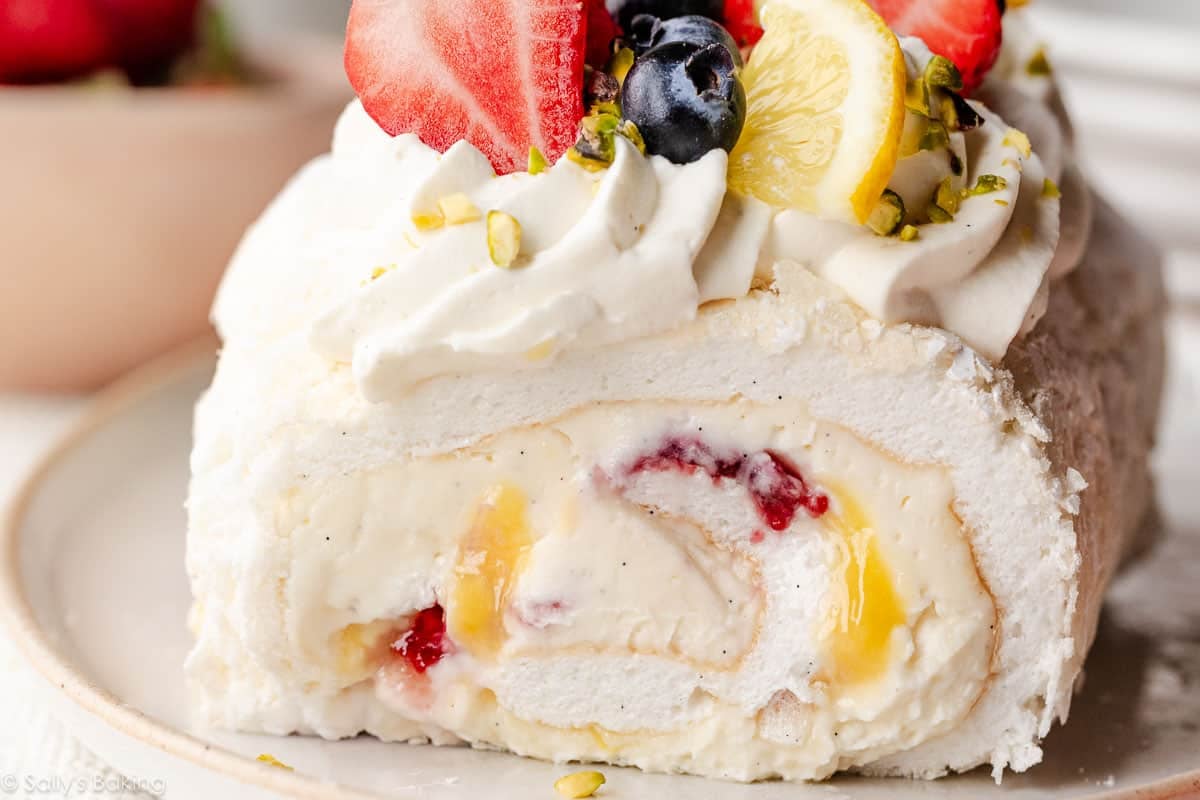
- Once the meringue roll has cooled, gently unroll, and discard the top piece of parchment. Spread the cream filling evenly over the top. Spoon dollops of curd and/or jam on top, if using. Gently re-roll the meringue with the filling. If it’s helpful, lift up the bottom piece of parchment underneath the meringue to help ease the roll over onto itself. Transfer the meringue roll to a serving plate. Garnish as desired. I used a half batch of whipped cream piped with Wilton 1M piping tip, crushed pistachios, and lots of fresh fruit.

- Serve immediately or refrigerate for up to 2 hours. Expect the meringue to weep or deflate slightly in the refrigerator the longer it sits. A large serrated knife works best for slicing.
- Cover and store leftover meringue roulade in the refrigerator for up to 2 days. The meringue will soften over time, and may weep some liquid, but that shouldn’t affect the taste.
Notes
- Make-Ahead Instructions: Meringue roulade is best enjoyed the day it’s made. The meringue will soften and weep droplets of moisture over time. You can make the meringue (through step 9) a day in advance, and let it sit at room temperature, rolled up in the towel. You can make the cream filling up to 3 days in advance and store it, tightly covered, in the refrigerator until ready to use.
- Special Tools (affiliate links): Egg Separator | Food Processor or Blender | Electric Mixer (Handheld or Stand) | 10×15-inch Pan | Parchment Paper | Small Offset Spatula | Fine Mesh Sieve
- Egg Whites: Eggs separate easier when cold, but room-temperature egg whites whip faster and into greater volume than cold egg whites. So separate your eggs while cold, then allow the egg whites to come to room temperature before beginning. Use some of the yolks to make lemon curd!
- Sugar: You need superfine or caster sugar so it dissolves fully in the egg whites. To avoid tasting sugar granules, pulse 1 cup granulated sugar in a food processor. You now have superfine sugar to use in the recipe.
- Acid: Instead of the 1/2 teaspoon of cream of tartar, you can substitute 1 teaspoon of white vinegar, apple cider vinegar, or lemon juice.
- Gluten Free: This recipe is naturally gluten free. However, some brands of cornstarch may be processed on shared equipment with wheat, so if needed, check for a labeled gluten free cornstarch.